Acolade Font: Elevate Your Creative Embroidery Designs
Understanding the Visual Essence of Acolade
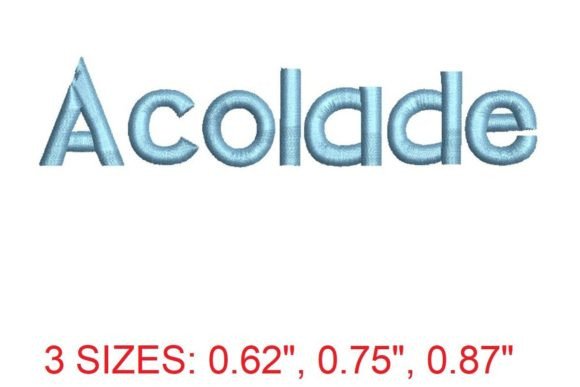
In the realm of typography, few fonts bridge the gap between digital precision and tactile craftsmanship as effectively as Acolade. This typeface is not merely a set of characters; it is a carefully engineered design asset that mimics the fluidity and rhythm of high-end embroidery. Visually, Acolade presents a sophisticated aesthetic that blends the elegance of a script font with the structured legibility required for professional brand identity. Its character shapes feature smooth curves and deliberate connections, designed specifically to minimize jump stitches and ensure a seamless flow when rendered in thread. For designers and crafters, this means the transition from a vector file on a screen to a stitched product on fabric is remarkably consistent.
The appeal of Acolade lies in its intricate detailing. Unlike standard digital fonts that might break apart when converted to stitch files, Acolade is built with the end product in mind. The strokes have been optimized to create a dense, high-quality fill that looks luxurious on materials ranging from heavy cotton to delicate silk. It carries a personality that is both artistic and disciplined. It avoids the chaotic loops of a casual handwritten font while retaining a human touch that feels warm and inviting. This makes it a versatile tool for anyone looking to add a layer of sophistication to their physical products without sacrificing the technical integrity required by embroidery machines.
Strategic Applications: Where Acolade Shines
Choosing the right typeface for a project is a strategic decision that impacts how an audience perceives a brand or product. Acolade excels in scenarios where personalization and quality are paramount. In the world of fashion design, this font is ideal for monogramming accessories, labeling bespoke garments, or creating distinctive logos for boutique clothing lines. The seamless stitching ensures that even small-scale applications, like cufflinks or collar details, remain legible and elegant. For entrepreneurs in the luxury goods market, using Acolade on packaging or product tags can significantly elevate the perceived value of the item, suggesting that care and attention to detail were invested in every aspect of the product.
Beyond fashion, the font’s utility extends into editorial design and marketing for the physical realm. Consider the impact of a textured business card or a letterhead where the logo is physically raised through embroidery. This tactile experience creates a memorable interaction that flat print design often cannot achieve. Furthermore, for content creators and bloggers who sell merchandise, Acolade offers a way to create consistent, professional-grade graphics that translate perfectly onto tote bags, hats, and home decor items. The font’s ability to maintain its structural integrity across different sizes—from large back patches to small chest embroidery—makes it a reliable design asset for any commercial endeavor.
Practical Guidance for Designers and Crafters
Implementing Acolade effectively requires a practical understanding of how typography interacts with fabric. One of the most common challenges in embroidery is maintaining readability at smaller scales. Because Acolade is engineered as a premium font for stitching, it handles size variations better than standard display fonts. However, it is always best practice to test the font on scrap material that matches your final product. This allows you to observe how the thread tension interacts with the specific weave of the fabric. For instance, a dense satin stitch might look different on pique knit compared to twill. Reviewing the More Sewing Info (PDF) provided with the download is essential, as it details the dimensions and stitch counts for the full character set, allowing you to plan your layout and hoop size accurately.
When it comes to font pairing and project hierarchy, Acolade works best when it is the star of the show. As a creative font with strong stylistic traits, it pairs well with clean, neutral typefaces—such as a geometric sans serif font—for supporting text. For example, if you are designing a logo for a spa, you might use Acolade for the brand name to convey luxury and relaxation, while using a simple sans serif for the tagline or contact information. This contrast creates a strong visual hierarchy, ensuring the main message captures attention while remaining legible. It is also important to consider the file formats included in your download. Ensure your specific embroidery machine is compatible with the provided formats to streamline your workflow and avoid technical frustrations during production.
Maximizing Brand Consistency and Professionalism
For small business owners and marketers, consistency is the cornerstone of brand perception. When you select Acolade as your primary embroidery typeface, you are committing to a specific aesthetic that communicates reliability and style. Every time a customer sees that stitched logo on a uniform or a gift, they are receiving a subconscious signal about the quality of your service. This font allows you to standardize your branding across various physical touchpoints, from employee apparel to corporate gifts. By utilizing a high-quality, commercially licensed font like Acolade, you avoid the "DIY" look that can sometimes undermine a professional image. It transforms simple text into a cohesive element of your overall brand identity, reinforcing recognition every time your work is seen.
Ultimately, the value of a typeface lies in its ability to solve problems and enhance communication. Acolade solves the specific problem of translating digital elegance into physical durability. It removes the guesswork from digitizing script fonts, offering a solution that is ready to sew. Whether you are a hobbyist personalizing linens or a professional designer building a client's visual identity, this font provides the technical foundation and aesthetic flair needed to produce flawless results. It is more than just a set of letters; it is a tool for creating tangible, high-quality art that resonates with audiences and stands the test of time.